Facelift & Neck Lift (Rhytidectomy)
Natural Rejuvenation Without the 'Operated' Look
As the facial subcutaneous fat shifts and the ligamentous supports attenuate, the face loses its youthful heart-shaped silhouette. Dr. Sheraz Raza's surgical facelift approach addresses the underlying SMAS layer and platysma bands, delivering a rested, vibrant appearance that looks completely natural.
3 – 4 Hours
General Anesthesia or IV Sedation
10 – 14 Days
3 – 6 Months

Lead Surgeon: Assoc. Prof. Dr. Muhammad Sheraz Raza
IMC Hospital DHA & Omar Hospital Jail Road, Lahore
Key Surgical Benefits & Anatomical Goals
Assoc. Prof. Dr. Sheraz Raza evaluates structural anatomy to formulate an individualized surgical roadmap. Key objectives of this procedure include:
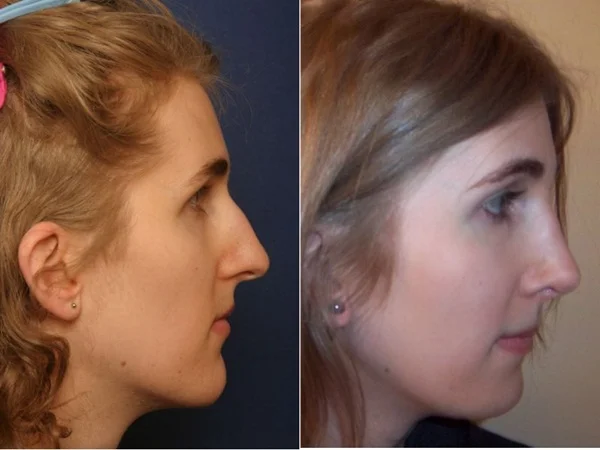
Chin Projection & Lower Face Harmonization
Enhancement of receding chin profile creating balanced lower facial harmony with the nose and neck.
Frequently Asked Clinical Questions
Will a facelift make me look unnatural or stretched?
No. Dr. Sheraz Raza utilizes deep SMAS repositioning rather than pulling the superficial skin. The structural foundation is lifted upwards, allowing the skin to drape naturally with zero tension or windblown distortion.
How long do facelift results last?
A surgical SMAS facelift effectively turns the clock back 8 to 12 years. While normal physiological aging continues, you will always look younger than if you had never had the surgery.
Ready to Discuss Facelift & Neck Lift (Rhytidectomy)?
Book a private evaluation with Assoc. Prof. Dr. Muhammad Sheraz Raza.